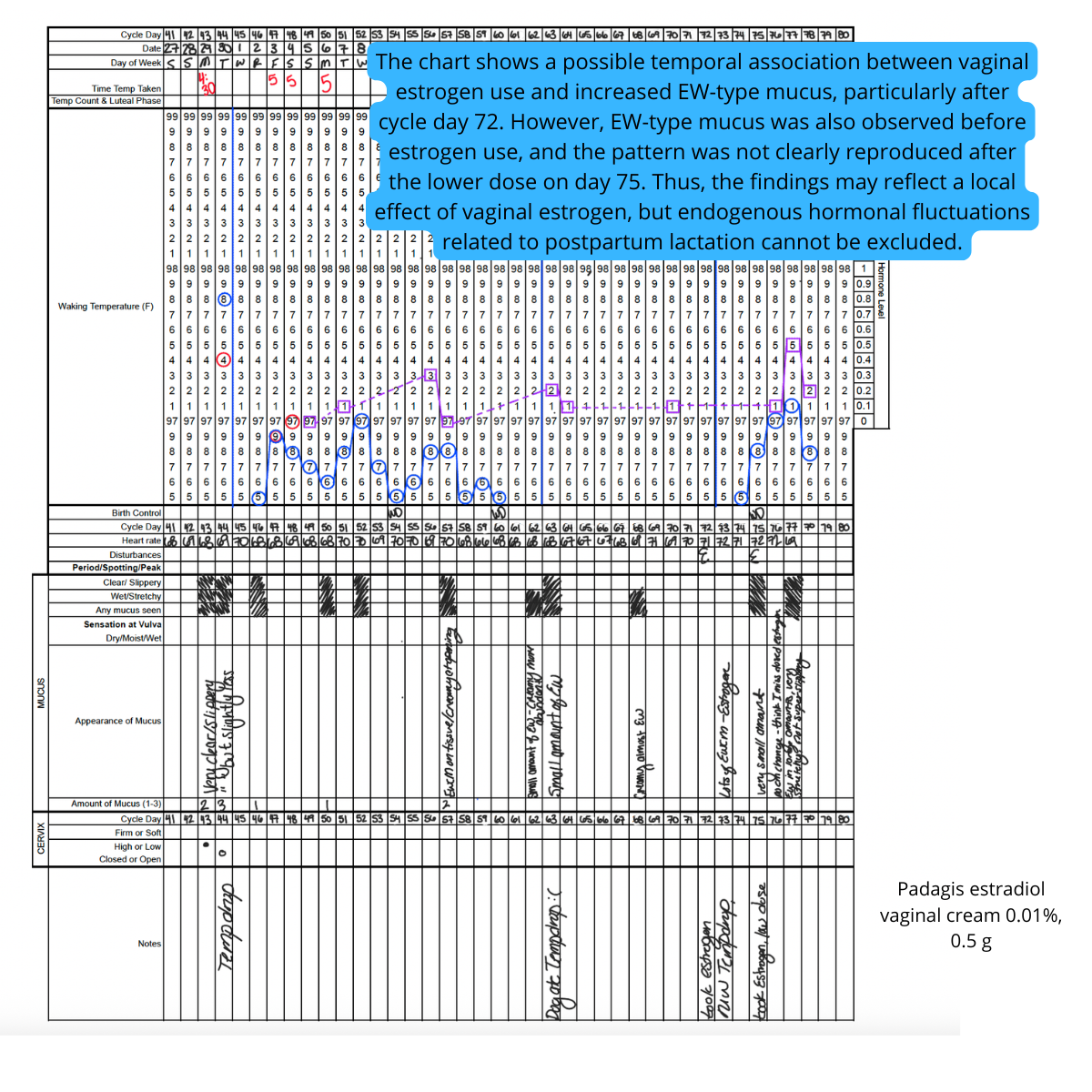
Estrogen-containing medicines are available in systemic and local formulations, including oral, transdermal, and vaginal preparations. Their effects on fertility biomarkers depend on the estrogen used, dose, route of administration, systemic exposure, and duration of treatment.
Mechanism of action and use
Estrogens act primarily through estrogen receptors (ERα and ERβ) in reproductive and other estrogen-responsive tissues. Depending on the dose and route of administration, estrogen-containing medicines may produce predominantly local effects or clinically relevant systemic estrogen exposure.
Systemic estrogen preparations, including oral and transdermal estradiol, are primarily used for the treatment of estrogen deficiency and menopausal symptoms. Vaginal estrogen preparations, including creams, tablets/inserts, and rings, are mainly used for genitourinary symptoms associated with estrogen deficiency.
Systemic exposure varies considerably between vaginal formulations. Low-dose vaginal estrogen generally results in limited systemic exposure, although absorption depends on the specific product and dose.
High-strength vaginal estradiol is an important exception. The EMA concluded that vaginal creams containing 100 micrograms/g (0.01%) estradiol can produce systemic estradiol concentrations above the normal postmenopausal range and therefore restricted their use to a single treatment period of up to four weeks.
At sufficiently high systemic exposure, estrogen can suppress gonadotropin secretion and ovarian activity. However, this effect should not be generalized to all estrogen-containing medicines, particularly low-dose vaginal preparations.